What Makes Good Matcha?
March 5, 2026
The Ultimate Guide to Coffee Grind Size: Unlock Better Flavour
June 10, 2026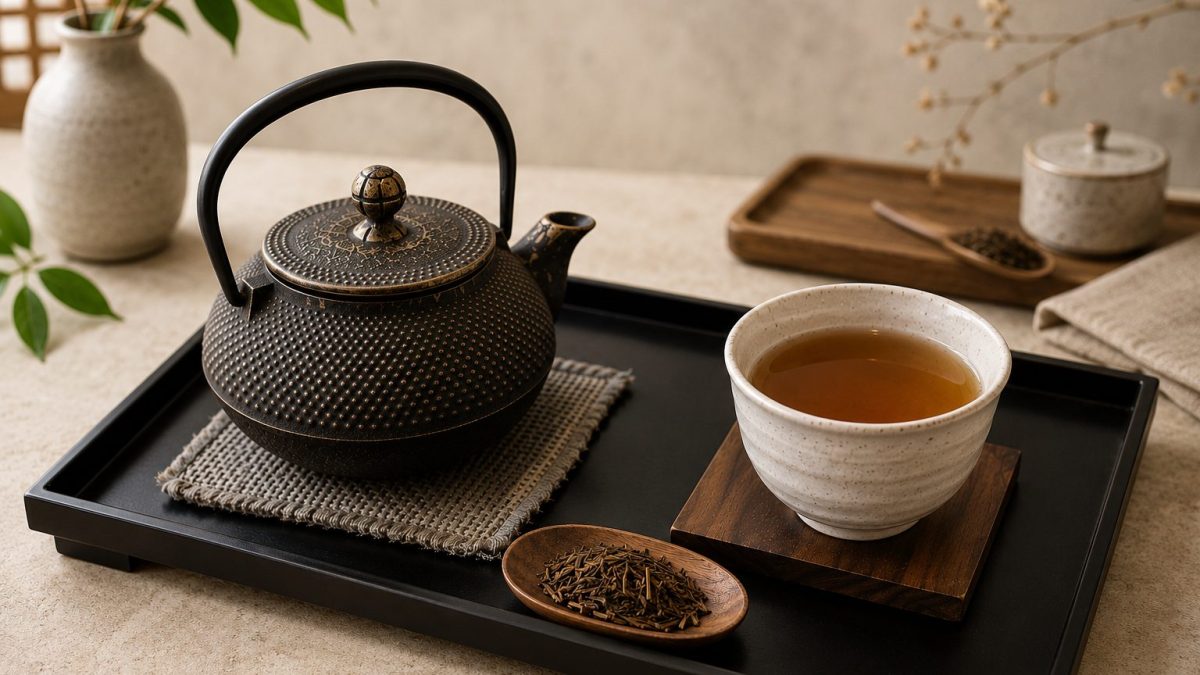
In recent years, Hojicha has gone from a traditional Japanese household favourite to one of the most talked about teas in cafes, tea houses, and wellness spaces around the world. Once considered a humble everyday drink in Japan, this beautifully roasted green tea is now appearing in artisan lattes, desserts, specialty tea menus, and home tea collections across the globe.
So what exactly is hojicha, and why is it suddenly everywhere?
What Is Hojicha?
Hojicha is a traditional Japanese tea made by roasting green tea leaves, stems, or twigs at high temperatures. Unlike most green teas, which are steamed to preserve their fresh vegetal character, hojicha undergoes an additional roasting process that transforms both its flavour and appearance.
The leaves turn from vibrant green to warm chestnut brown, and the aroma shifts from grassy and marine notes to something far richer—nutty, toasted, and deeply comforting.
Traditionally, hojicha is made from bancha, sencha, or kukicha leaves, each bringing subtle differences to the final cup.
What Does Hojicha Taste Like?
One of the reasons so many tea drinkers fall in love with hojicha is its distinctive flavour profile.
Rather than the grassy, umami-forward notes often associated with Japanese green tea, hojicha offers:
- Toasted hazelnut and roasted chestnut notes
- Gentle caramel sweetness
- Hints of cocoa or coffee-like warmth
- A smooth, clean finish with very little bitterness
- Soft earthy undertones
Its naturally mellow character makes it incredibly approachable—even for people who usually find green tea too vegetal or intense.
Many first-time drinkers describe the experience as “comforting,” “warming,” or even “like autumn in a cup.”
Why Is Hojicha Becoming More Popular?
There are several reasons this roasted Japanese tea is enjoying such a surge in popularity.
1. A Gentler Alternative to Coffee
As more people look to reduce their coffee intake without giving up comforting warm drinks, hojicha has emerged as a favourite alternative. Because the roasting process naturally lowers caffeine levels compared to many other green teas, it offers a gentler lift without the intensity some people associate with coffee.
2. The Rise of Tea Lattes
Specialty cafés around the world are embracing hojicha lattes, often pairing the tea with oat, almond, or coconut milk. The roasted flavour works beautifully with creamy textures, creating a drink that feels indulgent while remaining light and balanced.
3. Wellness and Mindful Drinking
As tea culture continues to grow, many people are seeking drinks that encourage slower rituals and mindful moments. Hojicha’s warm aroma and soothing character fit perfectly into this shift toward intentional daily routines.
4. Culinary Creativity
From ice cream and cakes to chocolates and pastries, chefs and bakers are discovering that hojicha’s roasted depth brings something completely different to the table. It offers the complexity of tea with flavours that pair beautifully with both sweet and savoury ingredients.
How to Enjoy Hojicha
One of the best things about this Japanese roasted tea is its versatility.
You can enjoy it:
- Traditionally brewed as loose leaf tea
- Whisked into a creamy latte
- Served iced during warmer months
- Used in baking and desserts
- Paired with dark chocolate, nuts, or delicate pastries
Its smooth profile makes it suitable from morning through to evening, especially for those who prefer lower-caffeine options later in the day.
For those ready to explore the world of roasted Japanese tea, our Kuki Hojicha offers an exceptional introduction. Crafted from carefully roasted tea stems and twigs, it delivers a beautifully smooth cup with notes of toasted nuts, soft caramel, and gentle warmth making it a favourite among seasoned tea connoisseurs while remaining wonderfully approachable for those discovering hojicha for the very first time.
For more news and updates follow our Facebook page.